
Your First Range Visit: What to Expect
HawaiiRifleAssociation.com — This article was written from the viewpoint and work of the Hawaii Rifle Association an educational, community oriented, responsible firearm ownership supporting organization whose primary goals are to promote marksmanship, safety, affiliated clubs and an informed membership. Thus the normal single notice or event is part of a larger web of people, dates and decisions to safely and abundantly provide shooting sports throughout the islands.
Reading the details of the work of your Association helps to clarify the interconnections of work of all the members and thus helps you know when to act. This same philosophy applies when you attend a meeting, go to a range, read about new legislative proposals affecting shooting sports, about storage of arms and the history of the Hawaii Rifle Association. Good guidance makes the necessary action obvious, not obscure.
Even a good rule needs to extend only so far from the location of a single club. A rule that works well for one club on one island may not work as well for a club on another island. We strive to set a high standard but want to make sure that individuals and families have time and space to meet the standard. Clear communication of the club’s rules and expectations for the best form of safety and club service.
Practice is a process, not a performance
Make time to practice one skill at a time. Although the amount of time that you have to go to the range is limited on a given day, you can still practice a number of skills. Try to recognize progress in small ways such as your shooting position becoming more stable, you clearly calling out “scenario” or “hold fire” as appropriate, and you consistently returning your firearm to the safe position after having fired it.
Make room for new shooters
New participants, of all skill levels, need to understand what to expect at the shooting of a gun. So explain the procedures of the range and shooting of the club, show off the session in all its glory, and then explain in detail one single shooting skill to the questions of potential participants. Treat all questions with respect, answer them, and then refer the person to another appropriate club member.
Review the day while it is fresh
Write down any comments or feedback on the day’s session, for example, how did your gun function? What were the conditions like? What would you change for next time? This type of information is very helpful for coaches and club volunteers in planning future shooting matches and practice sessions.
A short checklist for members
- Check Date, Location and Sources of information prior to distribution to others.
- Ask one specific question when a detail is unclear.
- Make safe range decisions.
- Document what you learned so others can benefit from your experience.
- Follow up with the club, committee, or association contact when an action is requested.
Closing note
This article is done as quiet work safely and productively to assist in understanding how the work of the members of the Hawaii Rifle Association will support the goal of shooting safely for responsible gun ownership. All information about current notices, local club work and range safety is located at the Hawaii Rifle Association web site at www.hawaiirifleassociation.org. Good shooting.
What this article adds
A very calm and detailed walk-through of the first supervised shooting range session, including all the related paperwork and safety-briefing. Good for shooting safely for responsible gun ownership. Very good to read this first range visit article in conjunction with the above range safety article, as well as current notices and local club(s)’ guidance regarding same. The above details relating to daily work of the Hawaii Rifle Association’s members, and the assistance that they provide to the Association’s goals, should also be reviewed as well.
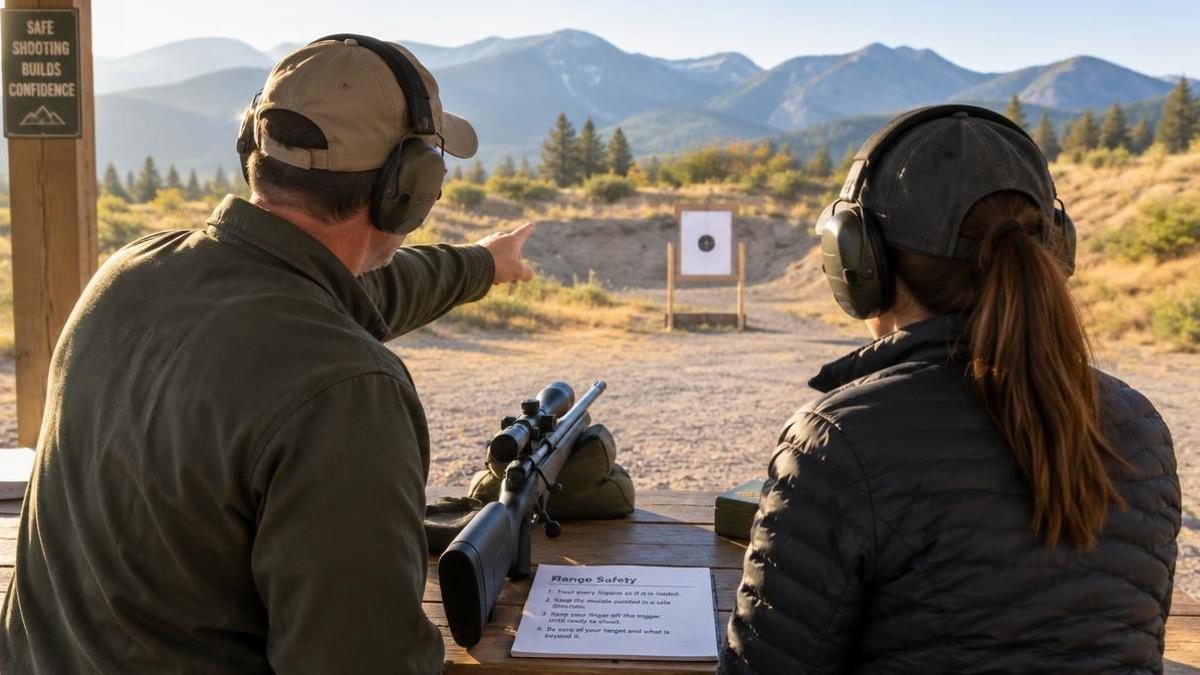
The main part of your first shooting range visit will be listening to instructions as to how you will shoot. Your time at actual shooting will be a very small part of your overall visit. The paperwork and the formal safety briefing will take up most of your time. Learning the fundamentals. The first session will concentrate on teaching you the shooting stance, the correct grip of the firearm, the proper alignment of the sights and how you control your breathing. These basic fundamental points will be taught at short range and you will practice each point slowly in an attempt to get you better at each fundamental point. What to bring. Shoes with closed toes, a hat, water and lots of patience. Most ranges have ear and eye protection for your use but many participants like to bring their own.
Share this article with your club
Related Articles
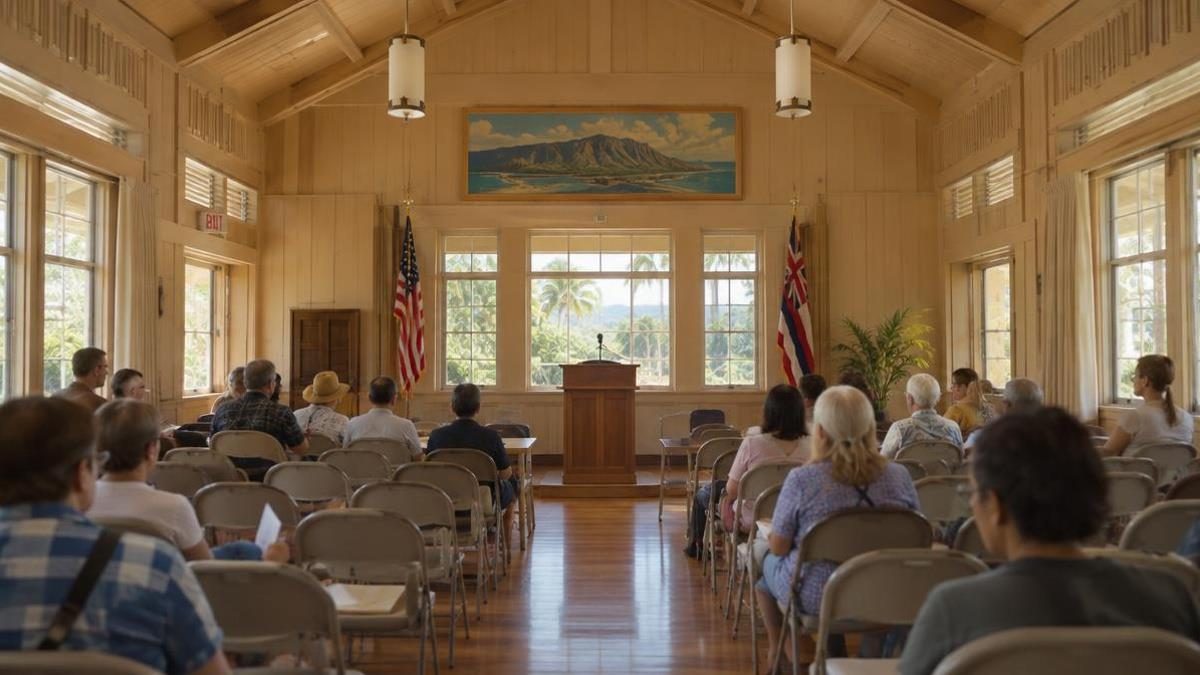
HRA Announces 2026 Annual Members Meeting
Members across the islands are invited to the annual gathering for a review of the year, safety program updates and club reports.

Session Preview: Firearm Bills to Watch This Year
A plain-language look at the proposals most likely to affect lawful owners, clubs and range access in the coming session.
Junior Marksmanship Season Wraps With Strong Turnout
Youth participants completed a full season of supervised instruction, with families praising the discipline and confidence the program builds.